The landscape of community safety initiatives in the United States is undergoing a significant reorientation, prompting widespread debate and concern among experts and policymakers. At the heart of this shift is a recent administrative decision to redirect federal funding from established community-based violence intervention programs towards bolstering local law enforcement, with a particular emphasis on immigration operations. This move raises critical questions about the most effective strategies for fostering a community safety funds under Trump: enforcement over prevention and whether prioritizing enforcement over prevention truly builds a trump safer community.
Originally, the Community Based Violence Intervention and Prevention Initiative (CVIPI), established under the Biden administration and funded by the landmark Bipartisan Safer Communities Act of 2022, aimed to empower local nonprofits and community organizations. Its mission was to address the root causes of violence through non-law enforcement strategies such as street outreach, hospital-based interventions, and violence interrupters. With nearly $200 million already distributed to foster community-led safety efforts, the program had become a cornerstone of innovative public safety approaches nationwide, particularly vital in communities grappling with increased gun violence during the COVID-19 pandemic. However, a recent directive from the Justice Department has dramatically altered this trajectory, signaling a profound philosophical shift in how federal resources are allocated for violence prevention.
A Fundamental Shift: From Community Empowerment to Enforcement Priority
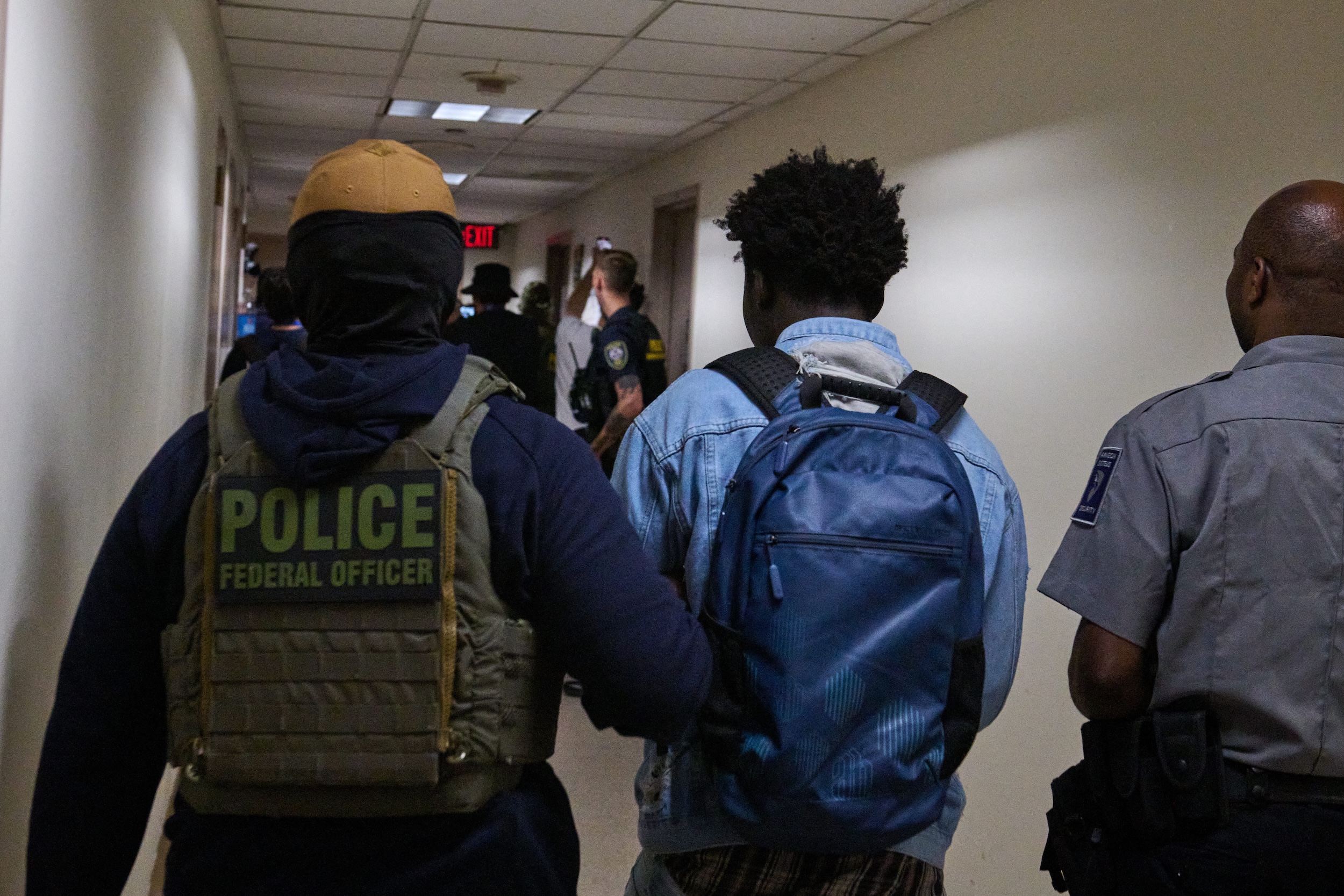
The Trump administration's reorientation of the CVIPI grant initiative marks a significant departure from its original intent. Where once nonprofits and grassroots organizations were the primary beneficiaries, the latest round of grant applications now explicitly prioritizes local governments and offers special preference to applicants that "directly support law enforcement," including "immigration law enforcement operations." This effectively disqualifies many community-based organizations that have been at the forefront of implementing non-policing public safety solutions.
This "wholesale shift," as described by Amy Solomon, a former assistant attorney general who oversaw CVIPI under the Biden administration, moves funding away from the very entities Congress intended to support. The Bipartisan Safer Communities Act explicitly allocated $250 million over five years for community-based organizations, reflecting a legislative consensus that these groups possess unique insights into the localized drivers of violence. Senator Chris Murphy of Connecticut, a lead negotiator on the law, voiced strong criticism, accusing the administration of subverting congressional intent. Murphy asserted that lawmakers and law enforcement widely acknowledge that community-based organizations understand the root causes of violence in their neighborhoods better than anyone. He warned that this diversion of funds could undermine significant progress made in reducing violence in recent years, potentially leading to "more lives needlessly lost to gun violence."
The implication is clear: the path to a trump safer community is now envisioned through an intensified enforcement lens, rather than through sustained investment in preventative, community-led initiatives.
The Proven Power of Community-Based Prevention
The debate surrounding this funding redirection is not merely political; it strikes at the core of evidence-based violence prevention. Community-based violence intervention (CBVI) programs operate on the premise that violence is a public health issue with identifiable risk factors and opportunities for intervention. These programs often deploy a multifaceted approach:
- Street Outreach and Interruption: Trained individuals, often with lived experience, mediate conflicts, de-escalate tensions, and build relationships with at-risk youth.
- Hospital-Based Interventions: Working with victims of violence in medical settings to connect them with support services, preventing retaliation and re-injury.
- Trauma-Informed Care: Addressing the psychological impact of violence on individuals and communities, offering mental health support and counseling.
- Mentorship and Opportunity: Providing positive role models, educational support, job training, and recreational activities to offer alternatives to violence.
These strategies are not theoretical; they have demonstrated tangible results. After spikes in violent crime during 2020 and 2021, data shows a national plummet in homicides and a record pace for the decline of violent crime last year. Many experts attribute this progress, in part, to the increased investment in and proliferation of programs like those supported by CVIPI. The effectiveness of CBVI lies in its ability to build trust, understand local dynamics, and intervene before violence erupts, rather than solely reacting after the fact. A truly analyzing Trump's plan: threatening progress on gun violence would arguably integrate, not diminish, these proven prevention strategies.
Building a Holistic Approach to Safety
Creating a truly trump safer community requires a holistic approach that integrates law enforcement with community-based solutions. Here are some actionable insights:
- Data-Driven Decisions: Fund programs proven to reduce violence, guided by research and community-specific data.
- Community Trust: Prioritize initiatives that build and maintain trust between residents and public safety entities.
- Addressing Root Causes: Invest in social determinants of health, education, employment, and mental health services alongside intervention efforts.
- Collaboration, Not Silos: Foster partnerships between law enforcement, community organizations, public health agencies, and local government.
Potential Repercussions for Community Safety and Trust
The redirection of CVIPI funds carries significant potential repercussions, not only for the efficacy of violence reduction efforts but also for community trust and engagement. When funds intended for community-led prevention are diverted to law enforcement, particularly for immigration operations, several challenges may arise:
- Undermining Progress: The momentum gained in reducing violence through community interventions could be lost, potentially leading to an increase in gun violence and other crimes.
- Erosion of Trust: When local police departments are perceived as extensions of federal immigration enforcement, it can deter immigrant communities and even other residents from reporting crimes, cooperating with investigations, or seeking assistance, making all communities less safe.
- Misallocation of Resources: Law enforcement agencies, while crucial, are not always equipped or trained to address the complex social and psychological root causes of violence in the same way community organizations are. Their focus is primarily on enforcement, not prevention or social work.
- Subverting Democratic Process: As Senator Murphy highlighted, ignoring the clear intent of bipartisan legislation passed by Congress undermines the democratic process and the will of elected representatives.
Critics argue that this administrative shift risks dismantling a successful framework for violence reduction, substituting it with an approach that may exacerbate existing tensions and fail to address the underlying issues driving violence. For many, a genuinely trump safer community requires robust, well-funded prevention programs that engage residents as partners, not just subjects of enforcement.
In conclusion, the decision to redirect federal anti-violence funds from community-based prevention to law enforcement and immigration operations represents a pivotal moment for public safety policy. While the goal of a trump safer community is universally shared, the methodology for achieving it is now sharply divided. This policy change challenges the established efficacy of community-led interventions, threatens to unravel hard-won progress in reducing violence, and raises serious questions about the role of trust and collaboration in fostering truly secure and thriving communities across the nation.